Cognitive Behavioral Therapy for Children: Helping Young Minds Thrive
14 February 2026
Every parent wants their child to grow up happy, confident, and emotionally strong. But let's face it — childhood isn't always sunshine and rainbows. Between school pressure, social challenges, and emotional ups and downs, kids face a lot more than we often give them credit for. And sometimes, they need a little extra help navigating it all.
That’s where Cognitive Behavioral Therapy (CBT) steps in.
CBT isn't just a buzzword floating around parenting blogs or therapist offices — it’s a powerful, evidence-based approach proven to help children cope with anxiety, depression, ADHD, trauma, and a whole lot more. Think of it like giving kids a “mental toolbox” to better understand and manage their thoughts, feelings, and behaviors.
In this article, we’ll break down what CBT for children is all about, how it works, what to expect, and most importantly, how it can help your child thrive — not just survive — emotionally and mentally.
🧠 What is Cognitive Behavioral Therapy (CBT)?
So, what exactly is CBT?Cognitive Behavioral Therapy is a structured, goal-oriented form of talk therapy. It’s based on the idea that our thoughts, feelings, and behaviors are all tightly connected. If you can change one of them, you can change the others, too.
In simpler terms: change the way you think, and you can change how you feel and act.
For children, CBT is specially adapted to be age-appropriate. That might mean using games, stories, art, or role-playing to help them identify and work through their thoughts and feelings.
CBT helps kids understand that just because they think something doesn't mean it's true. That anxious thought whispering, “Nobody at school likes me”? CBT teaches them to challenge that thought and replace it with a more realistic one: “Some kids are still getting to know me — and that’s okay.”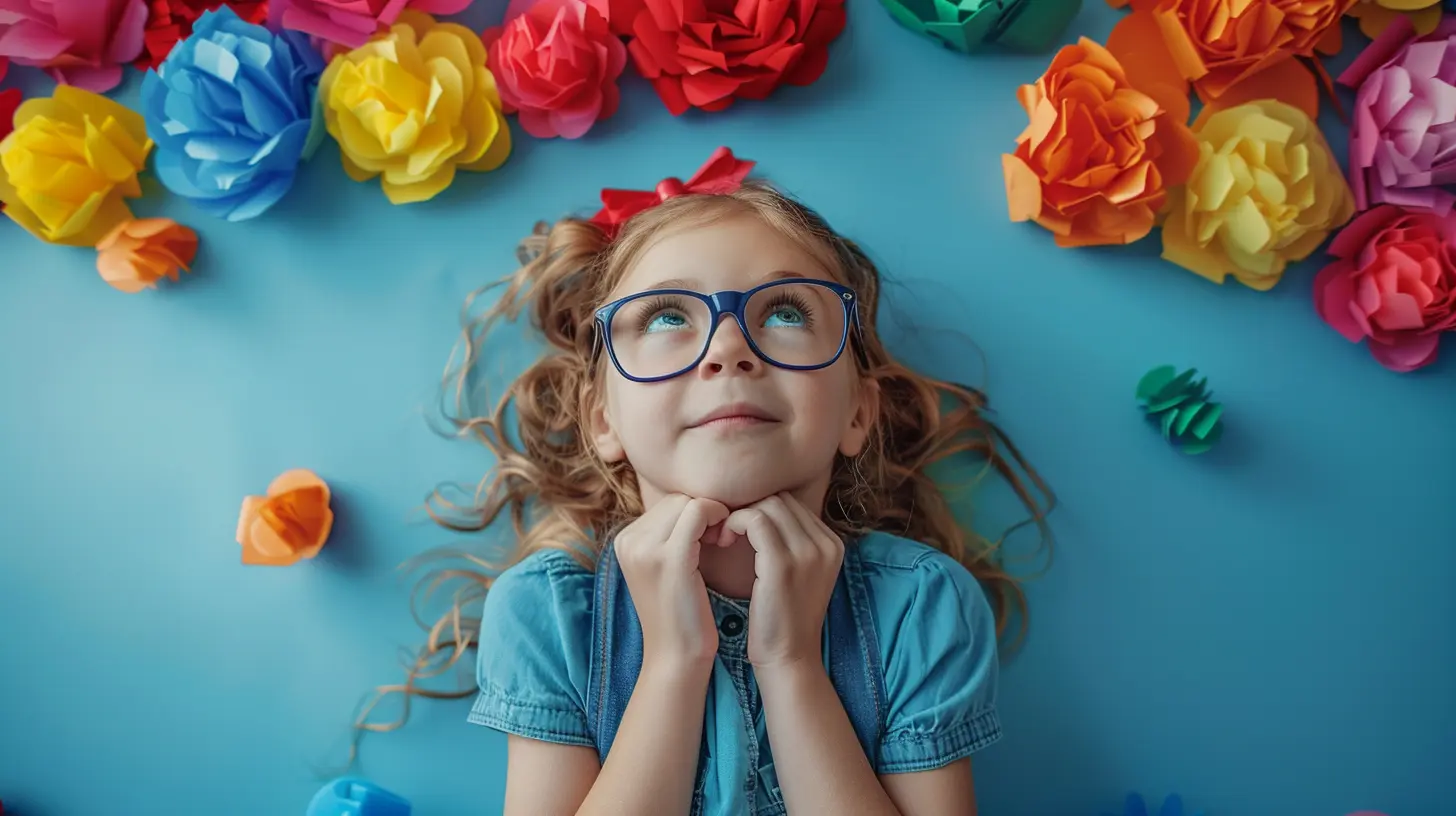
🌱 Why CBT Works So Well for Kids
Kids are naturally curious, imaginative, and open to learning. That makes CBT a perfect fit.Here’s why CBT tends to work wonders for young minds:
1. It’s Practical and Hands-On
CBT isn’t just talking about feelings — it's about doing. Kids learn specific skills they can actually use in real life, like how to calm down when they feel angry, or how to speak up when they feel shy.2. It’s Short-Term and Structured
Most CBT programs for kids last between 8–20 sessions. It's structured with clear goals, so children and parents can track progress and see results, often quite quickly.3. It Builds Confidence and Resilience
CBT equips kids with tools they can carry for life. It's like giving them mental armor — they can face challenges head-on instead of feeling overwhelmed by them.
🧠 How CBT Works: The Core Concepts
CBT for kids focuses on helping them:- Recognize negative thinking (like “I’m not good at anything”)
- Challenge unhelpful thoughts (with facts, logic, or alternative views)
- Replace them with healthier thoughts (like “I’m not great at math, but I’m improving”)
- Practice new behaviors (like raising their hand in class, even when nervous)
Let’s break that down a bit more.
The CBT Triangle: Thoughts, Feelings, and Behaviors
Imagine a triangle, with each corner labeled:1. Thoughts – What your child is thinking (e.g., “Everyone is laughing at me”)
2. Feelings – What they’re feeling (e.g., anxious or embarrassed)
3. Behaviors – What they do in response (e.g., hiding in the bathroom)
CBT shows that by changing one point of the triangle (like their thoughts), you can change the others, too. It’s all about breaking negative cycles.
🧒 Who Can Benefit From CBT?
CBT is incredibly versatile. It can help with a wide range of childhood issues, including (but not limited to):- Anxiety disorders (general anxiety, social anxiety, separation anxiety)
- Depression
- Obsessive-compulsive disorder (OCD)
- Post-traumatic stress disorder (PTSD)
- Attention-deficit/hyperactivity disorder (ADHD)
- Behavioral issues and anger management
- Low self-esteem or poor body image
- Bullying and peer pressure challenges
Even kids who don’t have a diagnosed mental health issue can benefit from CBT. It’s like giving them a self-help user manual for managing emotions and building emotional intelligence.
🛠️ What Happens During a CBT Session?
You might be wondering — what does CBT actually look like in a therapy session?Well, a typical session might involve:
- Talking about recent situations that triggered strong emotions
- Identifying unhelpful thoughts and feelings tied to those events
- Learning coping tools, like deep breathing or using a “feelings thermometer”
- Practicing responses through role play or hypothetical scenarios
- Homework – Yes, there’s homework! But it’s fun and stress-free activities like journaling, drawing, or trying out a new coping skill during the week
For younger kids or those with shorter attention spans, therapists often use games, cartoons, or crafts to keep things engaging. Therapy isn’t a boring lecture — it’s a conversation and a creative process.
👨👩👧 What’s the Parent’s Role in CBT?
Here’s something important — CBT for children often involves the parents.Why? Because kids don’t live in a bubble. Much of their emotional environment comes from home. When parents are involved, the child gets consistent reinforcement of new skills and strategies at home, not just in the therapy office.
Therapists may:
- Teach parents strategies to support their child’s progress
- Help parents improve communication and reduce conflict
- Offer insight into behavior patterns that may be affecting the child
Think of it as a team effort — you and your child working with the therapist to make lasting changes.
💪 Real-Life CBT Tools for Kids
Here are a few tools therapists often use with children in CBT:1. Thought Logs or Journals
Kids write down situations, how they felt, and what they were thinking. This helps them spot patterns and learn to challenge unhelpful thoughts.2. Coping Skills Toolboxes
Imagine a real box filled with calming items like stress balls, scented oils, or encouraging notes. Kids use the toolbox when they’re feeling overwhelmed.3. Behavior Charts
Used for tracking and reinforcing positive behaviors, such as using coping skills instead of acting out.4. Visualization and Role Play
Kids might imagine themselves succeeding in a stressful situation, or act out different responses to challenging scenarios.5. “Catch It, Check It, Change It” Strategy
This is CBT gold. First, you catch the negative thought. Then you check it — is it true? Finally, you change it to something more helpful. Easy to remember, and incredibly powerful.🧩 Common Myths About CBT for Children
Let’s bust a few myths that might be floating around:❌ “My child is too young for therapy.”
Truth: CBT can be adapted for kids as young as four or five, using play-based techniques and parent involvement.❌ “CBT is all about talking – my child won’t open up.”
Truth: CBT isn’t a typical “talk it out” therapy. It’s interactive, creative, and includes visual tools, storytelling, and play.❌ “We don’t want to medicate, so therapy isn’t for us.”
Truth: CBT is non-medication-based and often the first line of treatment recommended before medication.🧠 CBT Success Stories: What Progress Looks Like
Progress in CBT doesn’t mean your child never feels anxious or sad again — those emotions are part of being human. But with CBT, your child will:- Understand their emotions instead of fearing them
- Have go-to strategies to handle stress or conflict
- Feel more in control of their behavior
- Improve their self-esteem and social skills
It’s not about becoming a “perfect” kid — it’s about becoming a resilient one.
👣 How to Get Started with CBT for Your Child
If you’re considering CBT for your child, here’s how to take the first step:1. Talk to your pediatrician or school counselor – they can recommend a child psychologist or CBT-trained therapist.
2. Ask questions – Make sure the therapist has experience with children and uses CBT in their practice.
3. Stay involved – Be an active part of your child’s journey without taking it over.
4. Be patient – Change takes time, especially for young minds. Celebrate small wins along the way.
🌈 Final Thoughts
Cognitive Behavioral Therapy for children isn’t just about fixing problems — it’s about nurturing emotional growth, resilience, and confidence. It’s a journey of helping kids understand themselves better and giving them the skills to face challenges with courage and clarity.If your child is struggling with emotional ups and downs, CBT might just be the key to unlocking their inner strength. And there’s no better gift than that, right?
Let’s empower the next generation with the tools and mindset they need not just to get through life — but to genuinely thrive.
all images in this post were generated using AI tools
Category:
Cognitive Behavioral TherapyAuthor:

Matilda Whitley
Discussion
rate this article
2 comments
Zephyris McInnes
In a world of whispers, where feelings intertwine, CBT lights the path for young hearts to shine. With gentle guidance, they learn and grow, Nurturing resilience, letting their true selves show.
March 8, 2026 at 5:12 PM
Bailey Gill
This article brilliantly highlights the importance of Cognitive Behavioral Therapy (CBT) for children. By addressing negative thought patterns and promoting healthy coping strategies, CBT empowers young minds to build resilience and emotional intelligence, ultimately fostering their overall developmental well-being.
February 14, 2026 at 5:35 PM
Matilda Whitley
Thank you for your insightful comment! I'm glad you found the article emphasizes the vital role of CBT in supporting children's emotional development and resilience.