Claustrophobia: Understanding the Fear of Enclosed Spaces
6 August 2026
Let’s face it—we all have a fear or two. For some, it’s spiders. For others, it’s heights. But what if the mere thought of being in a small room or stuck in an elevator sends your heart racing? If tight, enclosed spaces make you want to bolt for the nearest exit, you might be dealing with something called claustrophobia.
In this article, we’ll dive deep into the world of claustrophobia—the what, the why, and the how of this surprisingly common fear. We'll talk about what it actually feels like, what causes it, how it can mess with your everyday life, and most importantly, what you can do about it.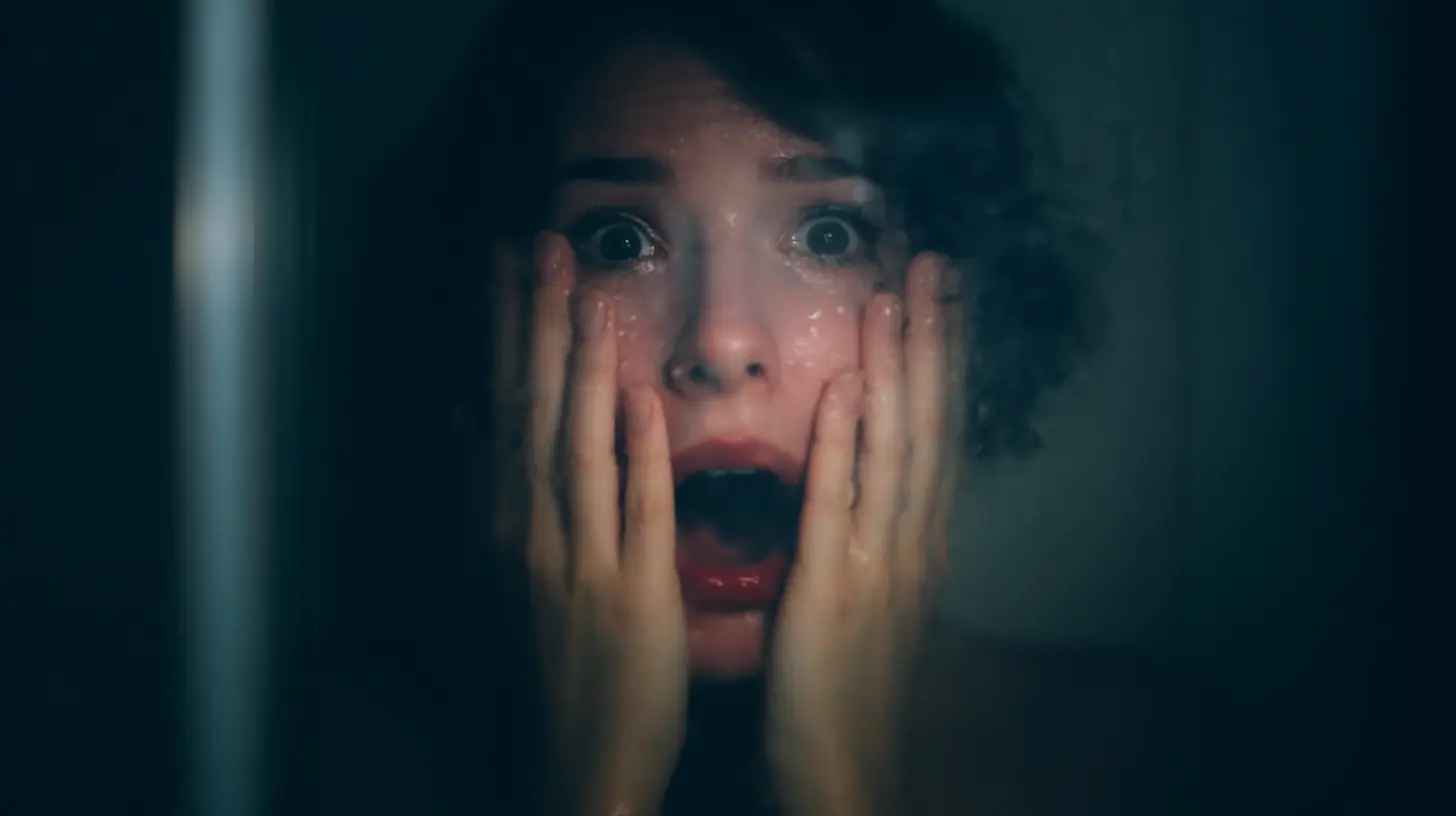
What Is Claustrophobia, Exactly?
Claustrophobia is a type of anxiety disorder where a person has an intense fear of confined or enclosed spaces. Think elevators, small closets, crowded rooms, or even MRI machines. For someone with this phobia, these places aren’t just uncomfortable—they can be terrifying.Unlike someone who's just a little uncomfortable in tight places, a person with claustrophobia might panic, break into a sweat, feel dizzy, or even experience a full-blown panic attack when faced with small spaces.
It’s Not Just About “Small” Places
It’s important to get this straight—claustrophobia isn’t just about the size of a space. It’s also about the feeling of being trapped. You could be in a large room, but if the person feels like they can’t get out easily, that could trigger their fear just the same.
Common Triggers: What Sets Claustrophobia Off?
Because claustrophobia is so tied to the feeling of restriction and entrapment, there are a variety of triggers. Some people get panicky in these situations:- Riding in elevators
- Airplane cabins
- Crowded public transportation
- Tunnels or underground parking garages
- Small rooms without windows
- MRI or CT scan machines
- Locked rooms or cars
- Wearing tight clothing or gear (yes, even that can trigger some folks)
Have you ever tried to stay calm in a jam-packed subway car during rush hour? Now imagine that experience multiplied by ten—with your chest tightening and thoughts racing. That’s a glimpse into the world of someone with claustrophobia.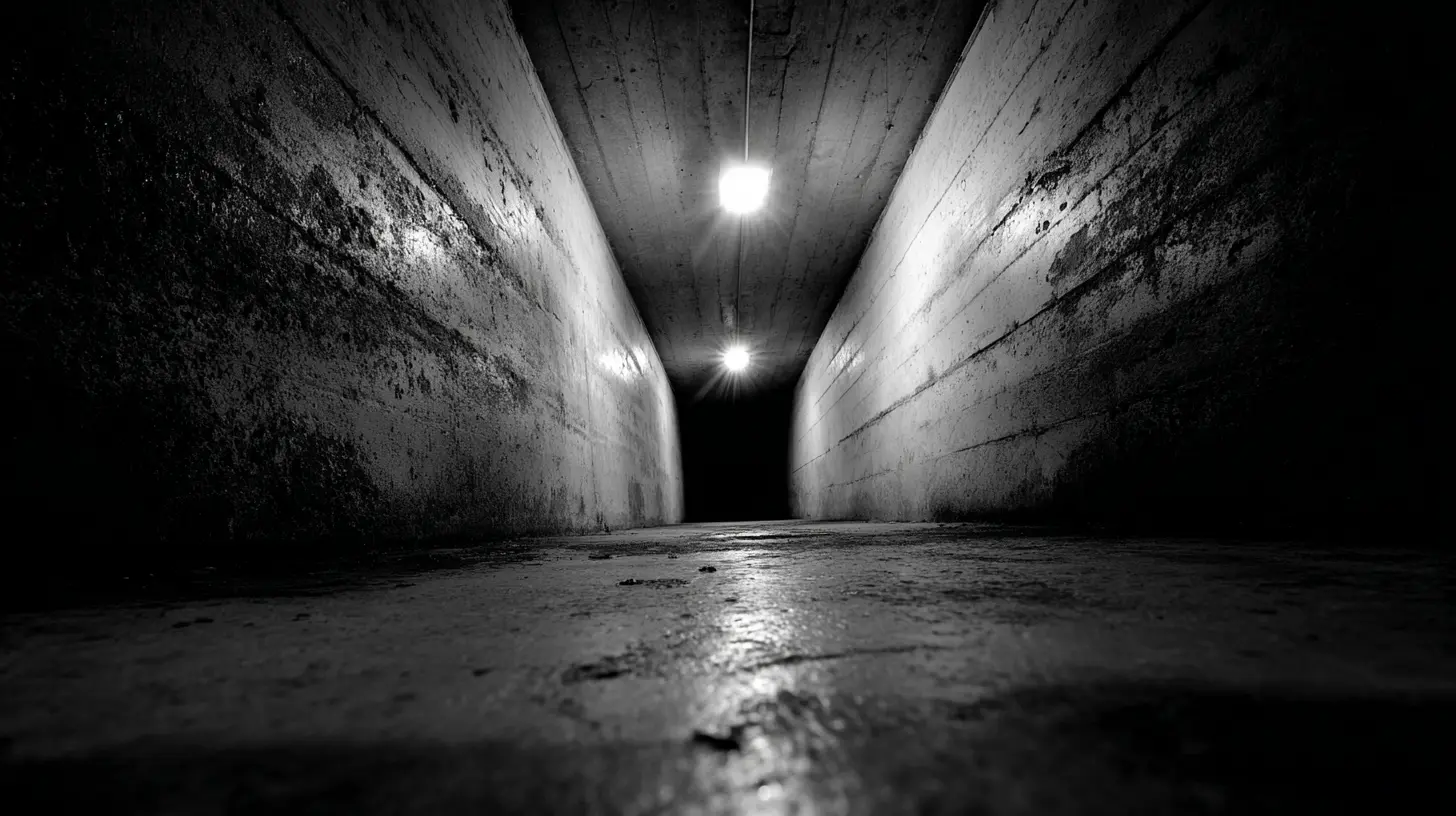
What Does Claustrophobia Feel Like?
The physical and emotional symptoms of claustrophobia can be overwhelming. If you’ve ever experienced it, you know how real and frightening it feels—even if nothing’s objectively dangerous.Common Symptoms Include:
- Rapid heartbeat or palpitations- Sweating or chills
- Nausea or upset stomach
- Shortness of breath
- Dizziness or lightheadedness
- Chest pain or discomfort
- Feeling like you’re choking
- A strong urge to escape
- A sense of “impending doom” (yes, it can feel that intense)
And here's the kicker—just thinking about being in a confined space can sometimes bring on these symptoms. So, it’s not always about being in the situation; anticipation alone can trigger panic.
Why Do People Develop Claustrophobia?
Here’s the million-dollar question: where does claustrophobia come from?Like many phobias, it often starts with a specific experience—something scary or traumatic. Maybe you got stuck in an elevator as a kid, or you had a medical procedure that made you feel trapped. That one moment can be enough for your brain to link small spaces with danger.
But that’s not all. There’s also a role for:
Childhood Experiences
Traumatic events like getting locked in a cupboard or being trapped under something can leave lasting psychological scars.Learned Behavior
Sometimes, kids pick up fears from their parents or caregivers. If someone close to you was overly anxious about closed spaces when you were growing up, you might’ve absorbed that anxiety, too.Genetics and Brain Chemistry
There’s some evidence suggesting that anxiety disorders, including claustrophobia, can run in families. Some scientists even believe the amygdala—the part of your brain that processes fear—behaves differently in people with phobias.Claustrophobia Isn’t Just “In Your Head”
Let’s bust a myth right now: claustrophobia isn’t just about being overly dramatic or “too sensitive.” It’s a recognized mental health condition that can significantly interfere with everyday life.Imagine avoiding elevators even if your apartment is on the 12th floor—or steering clear of medical imaging tests you really need. That's not just inconvenient—it’s potentially dangerous.
How Claustrophobia Affects Daily Life
Living with claustrophobia isn’t just about fighting fear—it’s about constantly adjusting your life to avoid triggers.Here are just a few ways it can affect someone:
- Avoiding certain jobs or professions that involve working in confined spaces (e.g., submariners, pilots, healthcare workers)
- Trouble traveling: Flying becomes a no-go. Even buses or trains can be difficult.
- Refusing medical tests: MRIs and other scans can be terrifying for someone who's claustrophobic, leading them to skip necessary diagnostics.
- Strained relationships: Friends and family might not understand the severity of the fear.
Over time, this avoidance can snowball. The more you avoid situations, the scarier they become. It’s like feeding the fear gremlin every time you skip that elevator ride.
Diagnosing Claustrophobia
If you've read this far and thought, “Hey, this sounds like me,” you might wonder how claustrophobia is officially diagnosed.Here’s how it usually goes:
- You’d start by talking to a mental health professional.
- They'll ask about your symptoms—what triggers the fear, how long you've had it, and how it impacts your life.
- They might use psychological questionnaires or interviews based on the DSM-5 criteria for specific phobias.
The goal isn’t to put a label on you—it’s to understand your experience so you can get the right help.
Treatment Options for Claustrophobia
Good news: claustrophobia is treatable. In fact, many people completely overcome their fear with the right kind of support.Let’s break down the main options:
1. Cognitive Behavioral Therapy (CBT)
This is one of the most effective treatments out there for claustrophobia. It helps you identify negative thought patterns and replace them with more realistic, balanced ones.For example, if your first thought in an elevator is “I’m going to suffocate,” CBT helps you challenge that thought with logic and evidence.
2. Exposure Therapy
Yes, this one sounds scary—but it works. With a trained therapist, you’re gradually exposed to the thing you fear, starting with less scary experiences and working your way up.It’s like dipping your toes into the fear pool before diving in. Over time, the fear loses its grip on you.
3. Relaxation Techniques
Deep breathing, meditation, progressive muscle relaxation—these techniques help you stay calm when you’re triggered. Think of it like giving your brain a “calm down” button.4. Virtual Reality Therapy
Sounds futuristic? It is—and it’s pretty cool. VR therapy lets you practice facing your fear in a totally safe and controlled environment. It’s been effective in treating all sorts of phobias, including claustrophobia.5. Medication (If Needed)
In some cases, medication may be prescribed. Anti-anxiety meds or certain antidepressants can help manage symptoms, especially when they’re really intense. But medication is usually a short-term tool while working on the root cause.Self-Help Tips: Managing Claustrophobia on Your Own
While professional help is the gold standard, there are things you can do on your own to cope:- Practice deep breathing: When your heart starts racing, slow, deep breaths can work wonders.
- Visualize calm places: Picture your happy place—maybe a beach or a forest—and imagine yourself there.
- Use calming affirmations: Tell yourself, “This fear will pass,” or "I am safe" when anxiety hits.
- Keep a “comfort kit”: A small item like a stress ball, soothing music, or even aromatherapy oils can ground you in scary moments.
- Educate yourself: Sometimes, understanding the fear is the first step to defeating it.
When to Seek Help
If claustrophobia is stopping you from living your life the way you want to, it’s time to reach out. There’s no shame in needing support. In fact, getting help is one of the most courageous things you can do for yourself.You’re not alone in this—and you’re definitely not broken. Our brains do weird things sometimes, but the amazing thing is—they can also heal.
Final Thoughts
Claustrophobia is real, and it's more common than most people think. What makes it so tough isn’t just the fear itself, but how it limits your choices, your freedom, and your peace of mind.But here’s the good news—you don’t have to live in fear forever.
With the right tools, strategies, and support system, you can take back control. Whether it's facing elevators with confidence, sitting through that MRI, or just feeling more at ease in crowded spaces—it’s all possible.
So, if your world feels a little too tight sometimes, know there's a way out—and you don’t have to find the exit alone.
all images in this post were generated using AI tools
Category:
PhobiasAuthor:

Matilda Whitley