Are We Really in Control? The Illusion of Choice
22 July 2026
Have you ever felt like you're making your own decisions, only to later wonder if you were actually in control? From the cereal we eat in the morning to the career paths we take, it often feels like we're calling the shots. But are we really?
The idea of free will—that we consciously make our own choices—has been debated for centuries. Some argue that we control our destiny, while others believe our decisions are subtly guided by unseen forces. Today, we're diving deep into the illusion of choice and whether we’re truly at the steering wheel of our lives. 
The Illusion of Choice: What Does It Mean?
The "illusion of choice" refers to situations where we think we have options, but in reality, those choices have been influenced, limited, or even predetermined by external factors.Ever walked down a grocery aisle, overwhelmed by the 20 different brands of toothpaste? It feels like you have plenty of options, but the truth is, companies have already shaped your preference through marketing, placement, and even societal norms. Your “free” choice was likely influenced before you even stepped into the store.
And this phenomenon isn’t just about shopping; it extends into nearly every aspect of our lives—our relationships, careers, social beliefs, and even political views. 
The Psychology Behind "Free Will"
We love the idea of being in control. It’s empowering. But psychology suggests that much of what we perceive as free will is actually shaped by subconscious processes.1. Decision-Making and the Subconscious Mind
Did you know that your brain often makes decisions before you’re even aware of them?A famous study by neuroscientist Benjamin Libet found that brain activity linked to decision-making occurs milliseconds before a person consciously decides to act. This suggests that our brains are already steering us toward a decision before we think we’ve made it!
Imagine standing in front of a vending machine, debating between a soda or water. Your conscious mind thinks it’s weighing the pros and cons, but your brain has likely already made the decision, influenced by habit, past experiences, and cravings.
2. Cognitive Biases: Traps of the Mind
Our brains take shortcuts—called cognitive biases—to make decision-making easier. While this helps us function efficiently, it also means that many of our choices aren’t as independent as we’d like to believe.Some common cognitive biases include:
- Confirmation Bias – We tend to favor information that aligns with our preexisting beliefs while ignoring contradictory evidence.
- Anchoring Bias – The first piece of information we see heavily influences our decision. (Ever been drawn to an expensive item, simply because it was "on sale"?)
- Choice Overload – Too many options can actually paralyze decision-making, pushing us toward the easiest or most familiar option.
Whether it's choosing a news source, deciding what to eat, or forming opinions on social issues, our cognitive biases are subtly influencing us at every turn. 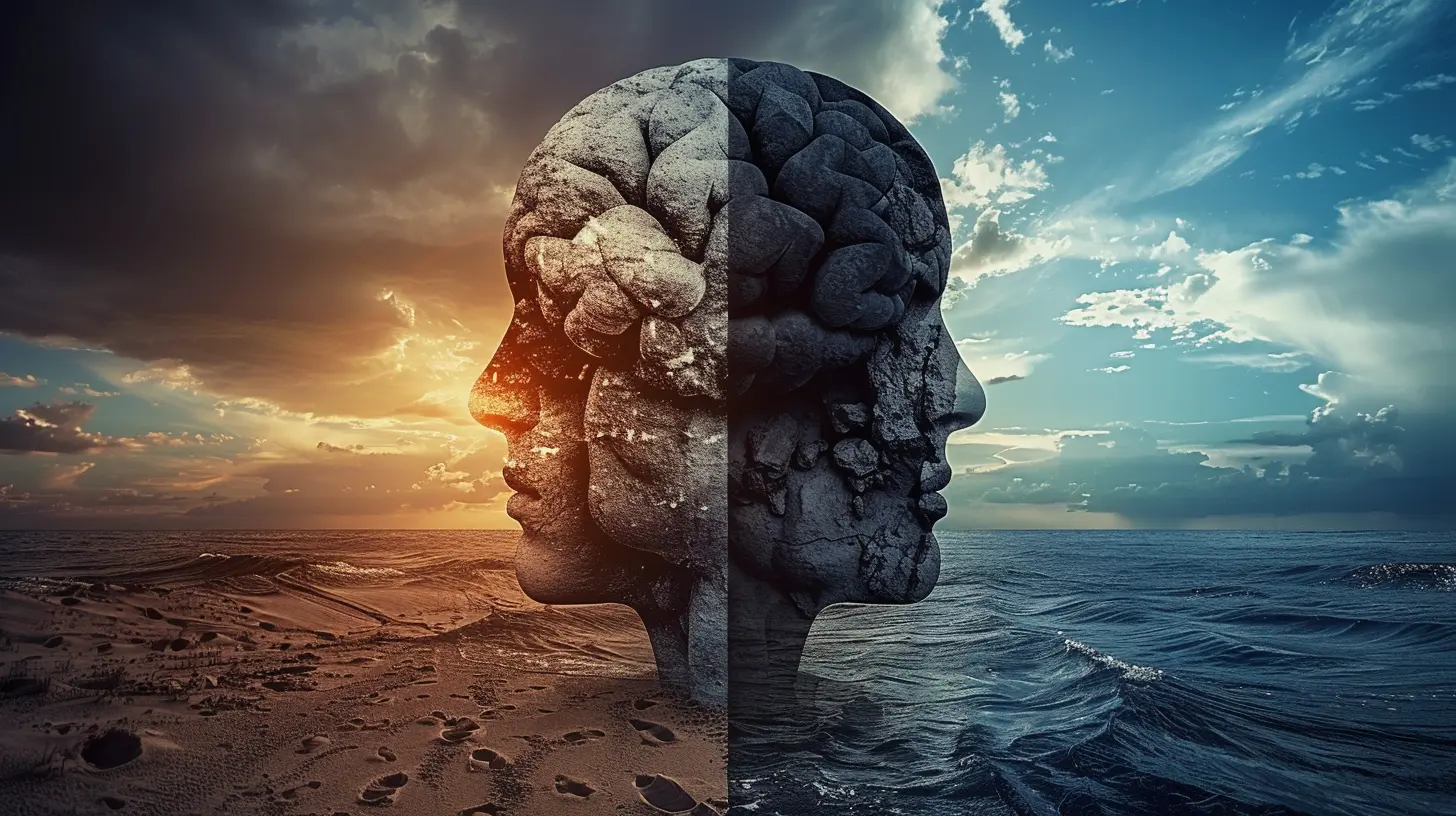
Social and Cultural Influences: Are Our Choices Pre-Made?
Ever wonder why you like certain things? Why you dress a certain way or hold particular opinions? Much of it comes down to societal conditioning.1. Marketing and Consumer Influence
Companies have mastered the art of influencing your choices. Advertisers use colors, slogans, familiar faces, and even psychological triggers to make you think you’re choosing freely—when, in reality, they’re steering you down a predetermined path.Think about it: do you really prefer one sneaker brand over another, or were you subtly influenced by celebrity endorsements and peer pressure?
2. Cultural Conditioning
From the moment we’re born, we’re shaped by the culture around us. The values, traditions, and societal norms we grow up with play a significant role in the choices we make.For example, in some cultures, arranged marriages are common, while in others, love-based relationships are the norm. Are those personal choices, or are they decisions shaped by cultural expectations?
3. The Social Media Bubble
Social media creates a false sense of choice. Algorithms are designed to show you content similar to what you already engage with, reinforcing your views and limiting exposure to alternative perspectives.Think you’re freely forming your own opinions? If the majority of what you see online aligns with one side of an issue, you might just be caught in a digital echo chamber. 
Nature vs. Nurture: Are We Born to Choose a Certain Way?
The classic debate—nature vs. nurture—also ties into the illusion of choice. Are our decisions hardwired into our DNA, or are they shaped by the environment?1. Genetic Influences on Decision-Making
Believe it or not, your genes may play a role in your choices. Research suggests that certain genetic predispositions influence how we handle risk, stress, and even our preferences for certain foods.For instance, some people genetically prefer sweet flavors over bitter ones. So, if you always reach for chocolate over kale, is that personal choice or biology at play?
2. Environmental Shaping
While genetics may lay the foundation, our environment builds upon it. The way we’re raised, the experiences we have, and the people we interact with all contribute to shaping our decision-making patterns.Did you "choose" your career, or were your interests subtly shaped by your upbringing and education system?
Can We Ever Truly Be in Control?
So, does this mean we’re just puppets, controlled by hidden strings? Not necessarily. While many factors influence our decisions, recognizing these influences gives us some power to push back.Ways to Regain Control Over Your Choices
1. Become Aware of Biases – The more you understand cognitive biases, the better you can counteract them. Ask yourself, "Am I making this choice rationally, or am I being influenced?"2. Think Critically About "Default" Choices – Just because something is the norm doesn't mean it's the best option for you. Question societal pressures and traditional paths.
3. Limit Exposure to Manipulative Influences – Be mindful of marketing tactics and digital bubbles. Seek out diverse perspectives and challenge your own beliefs.
4. Take Ownership of Your Decisions – Even if influences exist, you can make more conscious choices. Pay attention to what truly aligns with your values rather than going with the flow.
Conclusion: Do We Have Free Will?
The illusion of choice is everywhere—we just don’t always notice it. From subtle marketing techniques to deeply ingrained cultural norms, external forces consistently nudge us toward certain decisions. But while true, uninfluenced free will may not exist, that doesn’t mean we lack control entirely.By becoming more aware of the unconscious forces shaping our decisions, we can take steps toward making more informed, intentional choices. The more we question, the more power we reclaim.
So, next time you’re faced with a choice, pause for a moment and ask yourself—*Am I really in control?
all images in this post were generated using AI tools
Category:
Decision MakingAuthor:

Matilda Whitley